

Counterfeit Bills
Add a review FollowOverview
-
Founded Date October 29, 1932
-
Posted Jobs 0
-
Viewed 66
Company Description
15 Amazing Facts About High-Quality Counterfeit Money That You Didn’t Know
The Rise of High-Quality Counterfeit Money: Understanding the Threat and Response
In a progressively cashless society propelled by digital transactions, one may presume that the threat of counterfeit money is waning. However, the introduction of high-quality counterfeit currency continues to present a substantial challenge for federal governments, businesses, and individuals alike. Counterfeiters are employing sophisticated methods, making fake bills practically identical from authentic currency. This blog post aims to shed light on the phenomenon of high-quality counterfeit money, the techniques utilized by counterfeiters, the different classifications of counterfeit bills, and safety measures that individuals and organizations need to take to safeguard themselves.
Understanding Counterfeit Money
Counterfeit money refers to currency that has actually been reproduced without legal authorization, meaning to deceive people and organizations into accepting it as genuine. Historically, counterfeiting has been a persistent concern, and as innovation progresses, counterfeiters end up being more sophisticated in their approaches. High-quality counterfeits can avert detection by basic authentication approaches, providing serious threats to the economy.
Table 1: Historical Context of Counterfeiting
| Date | Event/Innovation | Effect on Counterfeiting |
|---|---|---|
| 1861 | Introduction of paper currency | Increase in counterfeiting due to absence of security features |
| 1929 | Redesign of U.S. currency | Improved anti-counterfeiting procedures |
| 1990s | Digital printing technology | Surge in high-quality fakes |
| 2003 – 2013 | Introduction of polymer notes | Improved physical security features |
The Methods of Production
Counterfeiters are using various production methods to replicate real currency. A few of the most common approaches consist of:
-
Digital Printing: With the schedule of high-resolution printers and scanners, counterfeiters can recreate bills with disconcerting accuracy. Advanced computer software allows them to recreate elaborate details such as watermarks and Falschgeld Kaufen Online color-shifting inks.
-
Photography: Some counterfeiters utilize high-quality photographs of real bills, which are then controlled in design software. This approach permits easy duplication without the requirement for sophisticated printing methods.
-
Plate Making: Professional counterfeiters might go as far as creating their own printing plates using etching methods. This approach offers an even greater quality and credibility to the counterfeit currency however needs advanced abilities and equipment.
Table 2: Common Counterfeit Production Methods
| Method | Description | Quality of Counterfeit |
|---|---|---|
| Digital Printing | Utilizes modern printers and design software application | High |
| Photography | Uses high-quality images of genuine currency | Moderate to high |
| Plate Making | Developing metal plates for printing | Very high |
Categories of Counterfeit Money
High-quality counterfeit currency can be categorized into several types based upon their elegance:
-
Low-Quality Counterfeit: Bills that might look different in texture or color but can still pass in low-stakes circumstances. Frequently produced by unskilled counterfeiters.
-
Medium-Quality Counterfeit: These bills may consist of some functions of genuine currency but do not have intricate details. They can typically be found through cautious scrutiny.
-
High-Quality Counterfeit: Close replicas that can confuse both businesses and banks. They might consist of sophisticated security functions such as holograms and microprinting.
-
Expert Counterfeit: Bills produced by competent counterfeiters with access to industrial-grade devices. They can pass through banks and ATMs without detection.
Table 3: Categories of Counterfeit Currency
| Classification | Description/Characteristics | Detection Difficulty |
|---|---|---|
| Low-Quality Counterfeit | Fundamental style defects, poor quality paper | Easy to spot |
| Medium-Quality Counterfeit | Some genuine features but still visibly fake | Moderate detection effort |
| High-Quality Counterfeit | Near real, consists of sophisticated functions | Hard to discover |
| Professional Counterfeit | Outstanding quality; passes a lot of detection techniques | Very hard to identify |
The Impact on Economy and Society
The dangers posed by high-quality counterfeit money extend far beyond private loss. The effects ripple through the economy, impacting prices stability and public rely on currency systems. Counterfeit money contributes to inflation, undermining both domestic and worldwide markets. The expenses of policing, informing the public about counterfeiting, and executing security steps can strain governmental resources.
Countermeasures Against Counterfeiting
1. Government Initiatives
-
Enhanced Security Features: Governments are continually upgrading their currency creates to incorporate more complicated security functions, consisting of transparent windows, smart chips, and color-shifting inks.
-
Public Awareness Campaigns: Educating the general public on how to recognize counterfeit money and motivating organizations to buy point-of-sale detection gadgets.
2. Service Solutions
-
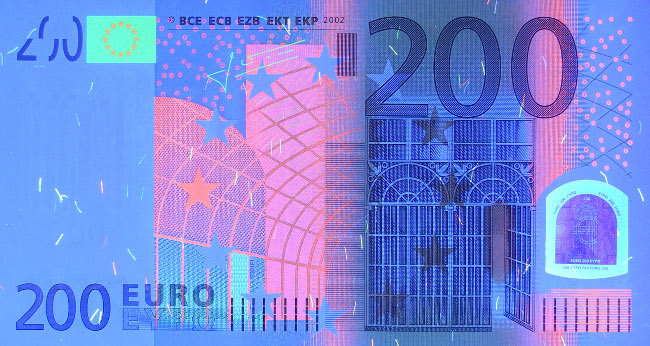
Investment in Detection Equipment: Retailers should utilize counterfeit detection techniques, such as ultraviolet light scanners and magnetic ink detectors.
-
Personnel Training: Training staff members on what genuine currency looks like, as well as the common indications of counterfeit money.
3. Specific Precautions
-
Watchfulness: Individuals need to familiarize themselves with the functions of their country’s currency and be careful while accepting cash payments.
-
Making Use Of Digital Payments: Whenever possible, selecting digital deals can decrease the danger related to managing physical cash.
FAQ Section
Q1: How can I inform if a bill is counterfeit?
A: Examine the expense using the following features: watermarks, color-shifting inks, microprinting, and security threads. A counterfeit detection pen can also be used.
Q2: What should I do if I receive a counterfeit costs?
A: Report the occurrence to regional police or the nearest bank right away. Try to keep in mind the details of the deal and the seller.
Q3: What are the penalties for counterfeiting money?
A: Penalties can differ by jurisdiction but might include considerable fines and long prison sentences. Counterfeiting is thought about a severe federal criminal activity.
Q4: Are there any online resources for identifying counterfeit money?
A: Yes, several resources are offered, consisting of federal government websites like the U.S. Secret Service’s page on currency security features.
Q5: What function operate play in fighting counterfeiting?
A: Businesses can assist by training employees, investing in advanced detection technology, and reporting counterfeit events to authorities promptly.
High-quality counterfeit money remains a progressing threat that continues to capture people and businesses off guard. By comprehending the different aspects of counterfeiting– from the approaches of production to the sophisticated nature of high-quality phonies– financiers, sellers, and the basic public can take proactive procedures to decrease threat. Awareness and education, integrated with innovative safety steps, are vital for combating this continuous difficulty. As society advances into a period of intricate monetary transactions, remaining notified and vigilant versus counterfeit threats is more crucial than ever.